You want your Denver move to feel simple, not like a months‑long scavenger hunt for groceries, parks, and a workable commute. Central Park delivers that out of the gate. With finished parks and trails, built‑in town centers, and a direct rail connection to both downtown and the airport, many buyers land here and start living their routine on day one. In this guide, you’ll see why Central Park often feels move‑in ready, plus how to test the neighborhood in a single visit. Let’s dive in.
Why Central Park fits fast
A planned community that’s complete
Central Park is Denver’s redevelopment of the former Stapleton International Airport, a master‑planned site spanning roughly 4,700 acres and guided by the community‑driven Green Book plan. The plan set the framework for walkable neighborhoods, mixed‑use nodes, and a connected park and trail system that were built as each area came online. In short, the heavy lifting happened years ago, so you step into an established public realm rather than a work‑in‑progress. You can trace the project’s scope and delivery in construction and planning summaries from the master developer and partners (Mortenson overview, Green Book background).
Parks and trails you can use on day one
The redevelopment reserved about 1,100 acres for parks and open space across regional parks, pocket parks, and linked trails and parkways. That means you do not have to hunt for outdoor space after closing. The neighborhood’s namesake Central Park is a large public green commonly cited around 80–86 acres, and nearby Bluff Lake Nature Center adds an urban nature refuge for birdwatching and low‑key wanders. This concentration of ready‑to‑use outdoor places is a big reason relocating households describe Central Park as turnkey from a lifestyle standpoint (project overview, planning reference).
Town centers and everyday retail close by
Everyday errands are built into the layout. Neighborhood town centers offer grocery options, coffee, and local services, and just to the north sits Northfield, a regional open‑air center historically described at roughly ~1.2 million sq. ft. of shops, dining, and entertainment. You can handle a quick grocery run, then come back later for a bigger stock‑up or a dinner out without crossing the city. This layered retail pattern is documented in the community’s amenity overviews and town center maps (Central Park community site).
Commute basics that stay predictable
Direct A Line rail to downtown and DIA
Central Park Station sits on the University of Colorado A Line. Published timetables show a short 13–14 minutes ride to Union Station, and the full end‑to‑end Union Station to Denver International Airport leg at about 37 minutes. Having both downtown and the airport on a single rail line cuts guesswork for weekday commutes and business travel. You can confirm current times using the RTD A Line schedule and note any special operating patterns before your visit (A Line timetable, RTD maintenance updates).
Driving access to key corridors
Central Park ties into I‑70 and the broader metro network, which connects to downtown, the I‑25 corridor, and east to the airport. Drive times vary with congestion, so many residents pair a car commute to jobs off the rail line with off‑peak travel, or they lean on the A Line for downtown predictability. Construction and project summaries document the major interchange and street work that supports these patterns (project overview).
Common job hubs to expect
- Downtown Denver: About 13–14 minutes by rail to Union Station on typical published timetables, or a 10–25 minute drive depending on traffic. For consistency, test your door‑to‑door timing during your usual commute hour (A Line timetable).
- Denver Tech Center: Usually a longer car commute with routes that depend on start time and exact office location. Transit paths often require transfers, so many households mix park‑and‑ride or rideshare.
- Anschutz Medical Campus and Aurora job cluster: Reachable by car in relatively short order and by select transit combinations. If you work shifts, check current RTD maps and schedules for your exact timing.
- Denver International Airport: Direct A Line service from Central Park Station. Confirm the schedule for time‑sensitive flights on the day you travel (A Line timetable).
Housing that feels move‑in ready
A mix that supports quick moves
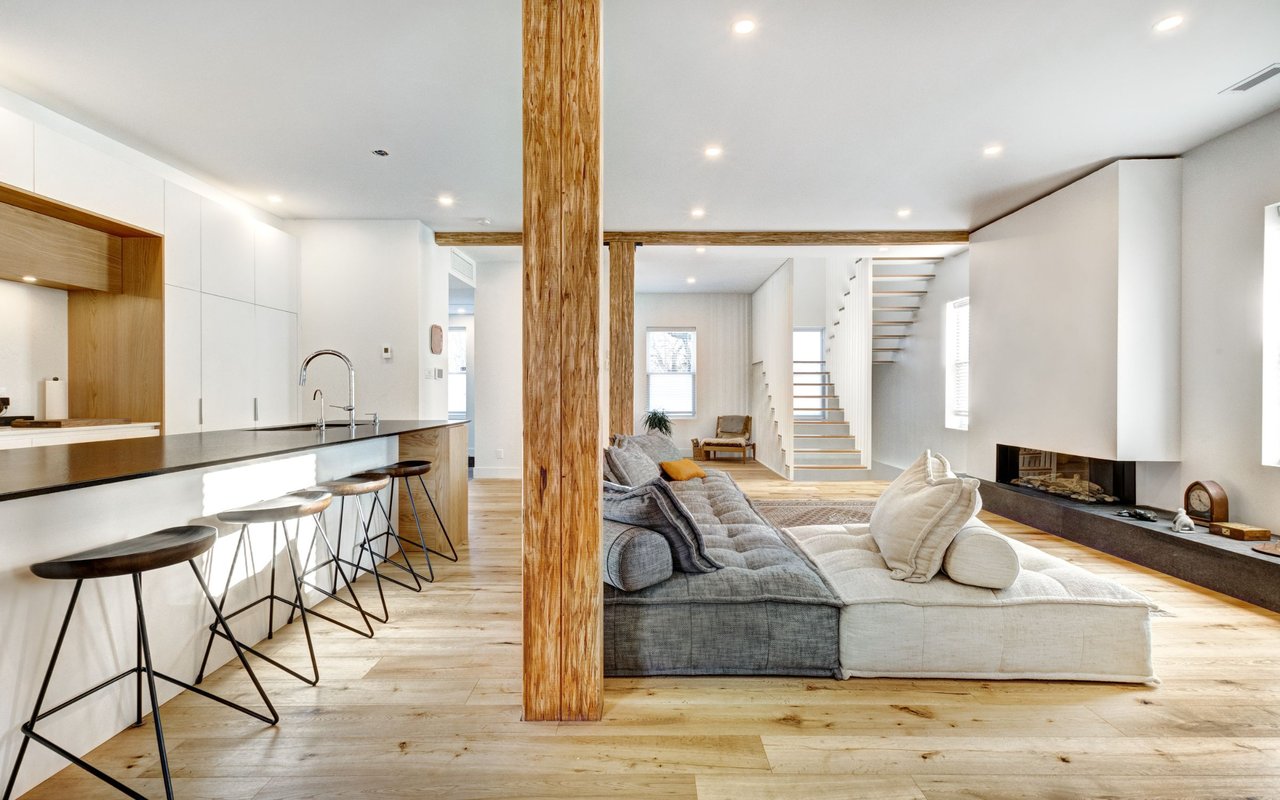
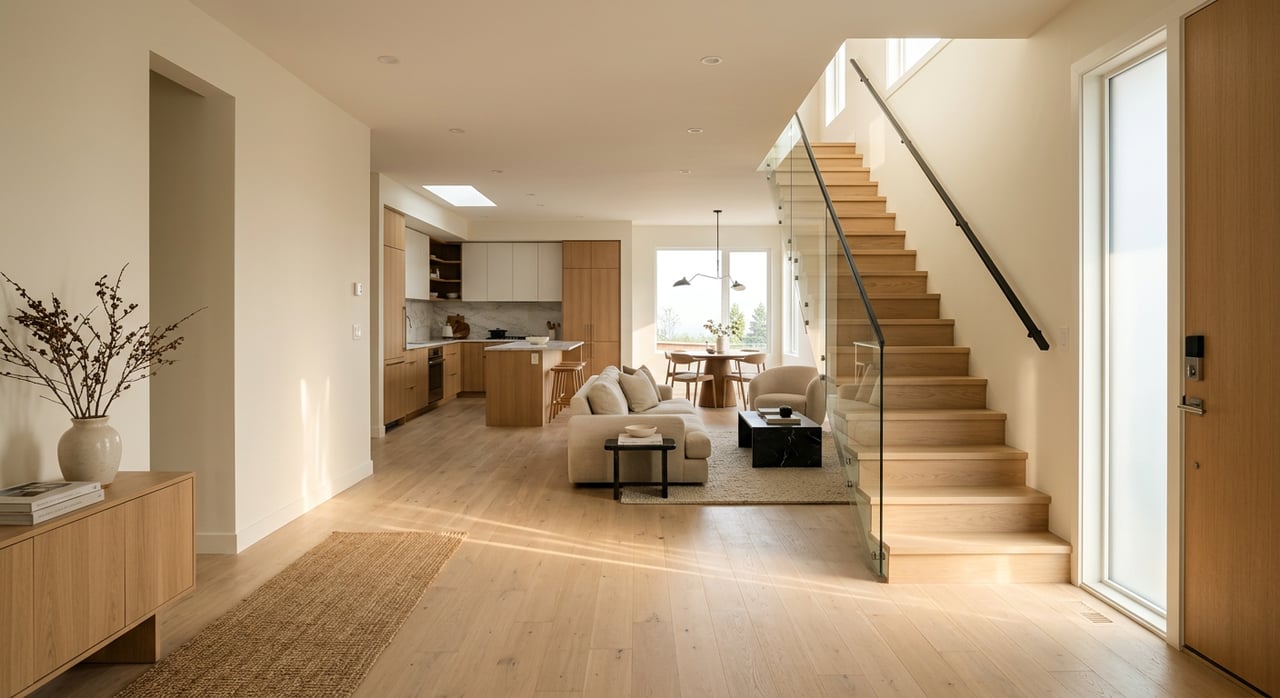
Central Park’s housing spans single‑family homes from the early 2000s, townhomes, multi‑family options, and ongoing infill and new‑build townhouse projects by established builders. That variety tends to create a steady mix of move‑in ready resale and new construction townhomes in many market cycles. The community site frequently highlights active product lines and on‑site sales, which helps time‑pressed buyers evaluate options quickly (community overview).
Services and amenities already operating
A Master Community Association organizes pools, parks programming, and shared‑space maintenance, which reduces the setup list for newcomers who want functioning amenities right away. Combined with the completed parks, trails, and town centers, this central management structure helps the neighborhood feel settled from day one. You can review the MCA’s role in neighborhood operations and history in its community materials (MCA overview).
A half‑day field test you can run
If you have limited time in Denver, use this quick loop to confirm fit:
- Ride the A Line: Start at Central Park Station and time a full door‑to‑door trip to Union Station during your expected commute hour. Note platform access and parking or walk time from a candidate address (A Line timetable).
- Walk a town center: Try a coffee stop, check grocery aisles, and note basic services you use weekly. Then visit Northfield for a larger errand run to see if the retail mix fits your household’s cadence (community site).
- Trace your park loop: Stroll portions of Central Park and a nearby pocket park, then visit Bluff Lake to experience the shift from programmed park space to urban nature (planning reference).
- Confirm governance details: Ask about MCA or sub‑HOA fees, design guidelines, and pool access so you know the operating picture for your specific address (MCA overview).
- Verify schools and healthcare routes: Check official district maps for the exact home address and time your route to your workplace or medical provider. Assignments and policies can change, so rely on current district information.
- New build logistics: If considering new construction, ask sales teams about move‑in timing, utility activation, and any orientation or concierge services that streamline arrival (community overview).
Why it feels move‑in ready
When you combine a finished master plan, a large and connected park system, walkable retail, and a direct commuter‑rail stop, you remove a lot of relocation friction. You do not need weeks to figure out where to exercise, how to reach the airport predictably, or which errands require a long drive. Most of the daily routine is already mapped out, and you can fine‑tune from there based on your exact address.
If Central Park matches your lifestyle and commute needs, we can help you hone in on the right micro‑neighborhood and property type, then manage the logistics from afar so your move feels straightforward. When you are ready to talk specifics, reach out to Horizon Home Group. Let’s connect and build your real estate strategy.
FAQs
What makes Central Park feel “move‑in ready” to relocators?
- The master‑planned layout, connected parks and trails, multiple town centers, and a direct A Line station create an immediate daily routine without long discovery time (project overview).
How long is the train ride from Central Park to downtown Denver?
- Published A Line timetables show about 13–14 minutes from Central Park Station to Union Station on typical schedules (A Line timetable).
Where do you handle most errands near Central Park?
- Smaller errands happen in neighborhood town centers, while bigger shopping and dining options are at Northfield, a regional center historically described around ~1.2 million sq. ft. (community site).
How much park and open space does Central Park include?
- The plan delivered about 1,100 acres of parks and open space, including the community’s namesake park commonly reported around 80–86 acres (project overview, planning reference).
Is there new construction available in Central Park?
- Yes, the area continues to see new townhouse products and active sales alongside a broad resale market, which supports quick move‑in options in many cycles (community overview).
What should I check before commuting by train from Central Park?
- Confirm the latest RTD A Line schedule and note any temporary maintenance that may affect boarding or timing (A Line timetable, maintenance updates).