Trying to choose between a bungalow with original charm, a newer townhome with simpler upkeep, or a compact multi-unit property in Highlands or Berkeley? You are not alone. These northwest Denver neighborhoods offer a wide mix of home styles, and that variety is part of what makes buying here feel exciting and a little overwhelming. This guide will help you understand the main home-style options, the tradeoffs that come with each one, and how to match your choice to your budget, maintenance comfort, and long-term goals. Let’s dive in.
Why home styles vary here
Highlands is not just one uniform neighborhood. It includes several subareas with different development patterns, and Potter Highlands in particular reflects older planning with square blocks, narrow lots, carriage lots, and a strong mix of historic architectural styles.
Berkeley has a different but equally layered story. Along the Tennyson corridor, early streetcar-era growth brought single-family homes, small boarding houses, and alley houses, which helps explain why you still see a mix of detached homes and smaller-scale housing types on many blocks today.
That history matters when you shop. In both Highlands and Berkeley, the block you choose can shape your experience just as much as the neighborhood name.
Four home styles to compare
Classic bungalows and cottages
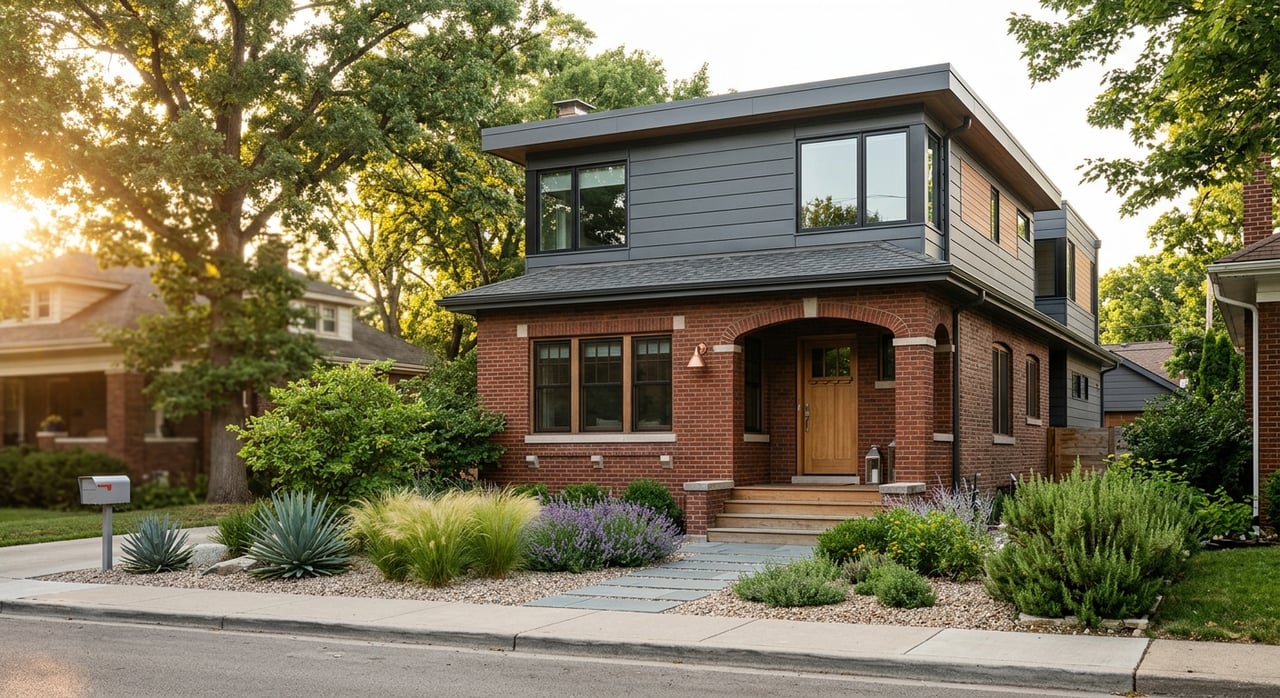
If you picture a front porch, period details, and a freestanding home with some yard space, this is often the style you are thinking about. Potter Highlands specifically calls out Craftsman Bungalows and Classic Cottages, with modest front setbacks, shallow front yards, dormer windows, and a consistent streetscape feel.
These homes often appeal to buyers who value character and architectural detail. You may also find mature trees, brick masonry, and a one- to two-story scale that feels established and visually cohesive.
The tradeoff is usually maintenance and improvement planning. Older homes can require more attention to roofs, windows, masonry, and aging systems, and if a property sits inside a historic district, exterior changes may be subject to design review.
Scrapes and new construction
In some parts of the area, modest older homes have been replaced by larger new homes. Historic Denver identifies this scrape-and-rebuild pattern as an important local issue, especially where newer construction does not always match existing neighborhood character.
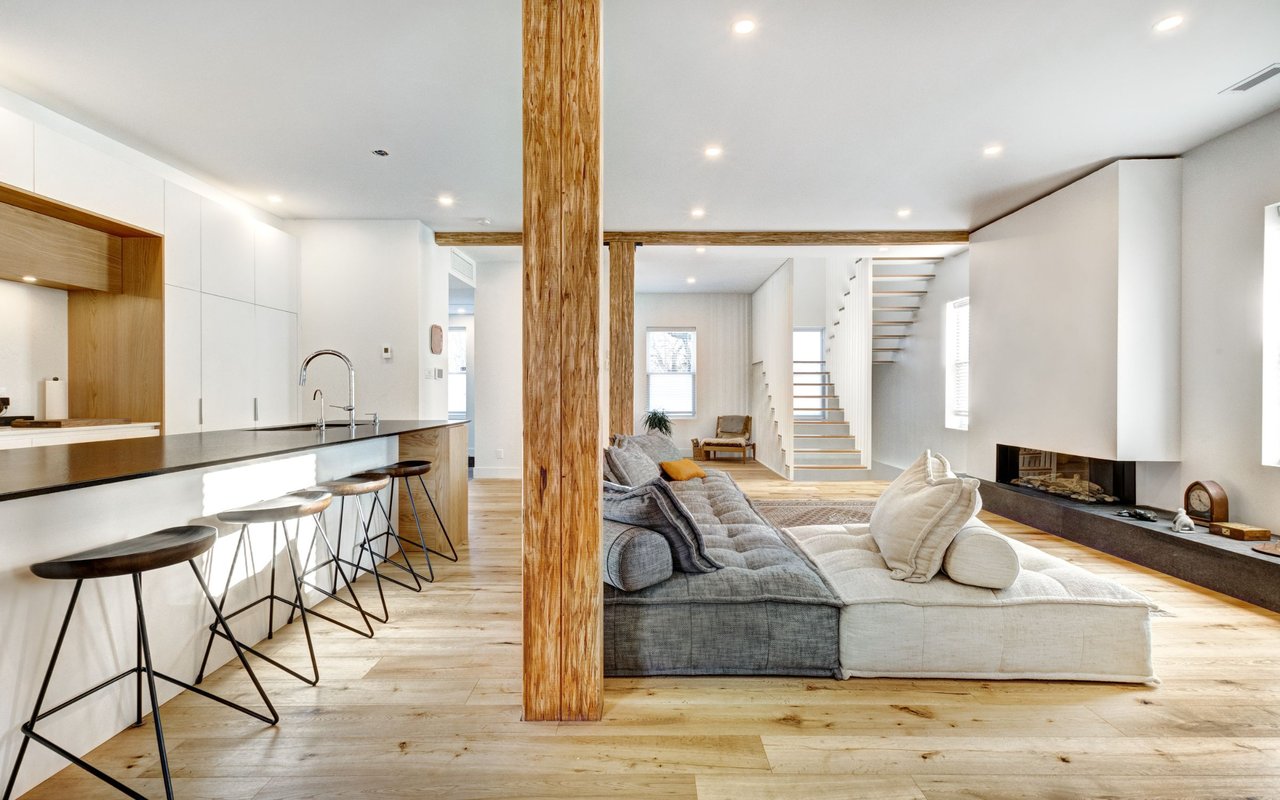
For you as a buyer, newer construction can mean more modern layouts, newer systems, and less immediate repair work. That can be appealing if you want a move-in-ready home and prefer to avoid major updates in the first few years.
At the same time, lot use, scale, and design fit can vary a lot from one property to the next. If neighborhood character matters to you, it helps to compare the home not just on finishes and size, but also on how it sits on the block.
Townhomes and compact infill
Townhomes and other compact infill options can be a strong match if you want a more urban feel with less yard work. A useful local example is Highlands' Garden Village, a mixed-use project with single-family homes, townhomes, carriage homes, and garden-style apartments planned close together, with density stepping down near existing detached homes.
This kind of housing often works well if your priority is easier upkeep and efficient use of space. In many cases, you are trading a larger private yard for a more streamlined ownership experience.
That tradeoff can make a lot of sense if you spend more time enjoying the neighborhood than maintaining outdoor space. It can also be a practical option if you want to stay close to established urban blocks without taking on the maintenance profile of an older detached house.
Small multi-family and missing-middle homes
This category includes duplexes, fourplexes, rowhouses, and similar housing types that sit between a detached home and a larger apartment building. Denver planning documents describe these as part of the city’s missing-middle housing options, and that idea fits the mix you see across parts of Berkeley and nearby urban neighborhoods.
This style can appeal to different kinds of buyers. You may want more flexibility, a smaller footprint, or a property type that aligns with longer-term ownership goals.
It is also worth watching how future flexibility may evolve. Denver’s citywide ADU project is intended to allow accessory dwelling units in all residential areas, which may expand how some properties can be used over time.
How lot patterns affect your choice
Highlands lot sizes and form
In Potter Highlands, standard lots are often about 25 by 125 feet, with some larger corner lots and historic carriage lots. That narrower lot pattern helps explain why many homes sit close to each other and why additions or exterior changes can feel more complex than buyers expect.
If you want a detached home here, look closely at how the lot functions day to day. Parking, outdoor living, storage, and expansion potential can all feel very different on a narrow urban lot than they would in a more suburban setting.
Berkeley block-by-block variety
Berkeley’s housing mix often reflects its streetcar-era roots. You may find detached homes, smaller historic housing forms, and layouts that make rental or multi-unit living more common on some blocks.
That variety can be a real advantage if you want options. It also means your search should stay focused on the specific block, property type, and ownership goals that fit your life best.
Character versus convenience
One of the biggest decisions in Highlands and Berkeley is not just price. It is whether you want character, convenience, or some middle ground.
If you love original architecture, established streetscapes, and the feel of an older home, a bungalow or cottage may be worth the extra care. If you want simpler maintenance and newer systems, a townhome or newer infill property may better fit your day-to-day priorities.
Neither choice is better across the board. The right answer depends on how you want to live, how much upkeep you are comfortable managing, and how important remodel flexibility is to you.
Historic review and remodel flexibility
Historic districts
This point deserves special attention. In Denver historic districts, the Landmark Preservation Commission reviews exterior alterations, additions, new construction, signs, and non-vegetative site work, and Potter Highlands notes that all properties inside the district are subject to design review.
That does not mean you cannot improve a home. It does mean the process may involve more review, more planning, and a stronger focus on preserving the district’s character.
Conservation overlays
Conservation overlays are different. Denver describes them as zoning-based tools that preserve neighborhood character and can apply to exterior remodels, additions, and new construction.
If remodel freedom is important to you, make sure you understand which rules apply to the specific property you are considering. A detached home in a historic district may come with a very different review process than a similar-looking home outside one.
What the current market suggests
Spring 2026 Redfin data shows a broad pricing ladder across the close-in northwest Denver market proxies used here: Berkeley at $795K, West Highland at $852K, Potter Highlands at $930K, and Highland at $1.0M.
Competition levels also vary. Berkeley and West Highland are described as very competitive and selling in about 8 days, while Highland is somewhat competitive at about 25 days. Potter Highlands had a much smaller sample, with an 84-day median in March 2026.
That difference is a good reminder that you should not assume one simple market story across the area. Style, renovation level, lot size, and even micro-location can all influence value and timing.
Potter Highlands sales illustrate that range clearly. Recent examples included condos from $355K to $499K, alongside detached homes at $1.37M and $2.0M.
A simple way to narrow your decision
If you are choosing between styles, start with the practical side before the cosmetic side. A polished kitchen can be changed. The ownership experience tied to the home type is harder to change.
Ask yourself:
- Do you want a detached home or are you open to attached living?
- How much exterior maintenance do you want to handle?
- Is private yard space important to you?
- Do you want original character or newer systems?
- How important is remodel flexibility?
- Are you comparing a single home style, or also weighing future use options such as ADU potential?
Once you answer those questions, your search usually gets much clearer. Instead of browsing every listing in Highlands and Berkeley, you can focus on the specific home-style bucket that matches how you want to live.
If you want a strategy-first approach to buying in northwest Denver, Horizon Home Group can help you compare blocks, property types, and tradeoffs so you can move with clarity and confidence.
FAQs
What home styles are most common in Highlands and Berkeley?
- In these neighborhoods, you will commonly see classic bungalows and cottages, newer scrape-and-rebuild homes, townhomes and compact infill, plus small multi-family or missing-middle housing such as duplexes and rowhouses.
What should buyers know about historic homes in Potter Highlands?
- Buyers should know that Potter Highlands includes a historic district where exterior alterations, additions, new construction, signs, and certain site work are subject to Denver design review.
How do townhomes compare with detached homes in Highlands and Berkeley?
- Townhomes and compact infill often offer lower exterior upkeep and a more urban feel, while detached homes usually offer more private yard space and more traditional single-home ownership.
What is missing-middle housing in Denver neighborhoods like Berkeley?
- Missing-middle housing refers to housing types such as duplexes, fourplexes, rowhouses, and similar smaller multi-unit options that sit between single-family homes and larger apartment buildings.
What do home prices look like around Highlands and Berkeley?
- Using Spring 2026 Redfin neighborhood proxies, Berkeley was about $795K, West Highland about $852K, Potter Highlands about $930K, and Highland about $1.0M, though individual prices vary widely by style, size, and condition.
Why does block-by-block research matter in Highlands and Berkeley?
- These neighborhoods developed over time with different lot patterns, housing types, and review rules, so the specific block and property type can shape your maintenance, flexibility, and pricing more than the neighborhood label alone.